Opening the wallet: universal links, app links and custom URL schemes
Master deep linking by exploring the technical differences between universal links, app links, and custom URL schemes to optimize your app's user experience.
The world of digital identity and authorization is constantly evolving. Our experts provide cutting-edge insights into emerging trends, security challenges, and trust frameworks.

Master deep linking by exploring the technical differences between universal links, app links, and custom URL schemes to optimize your app's user experience.

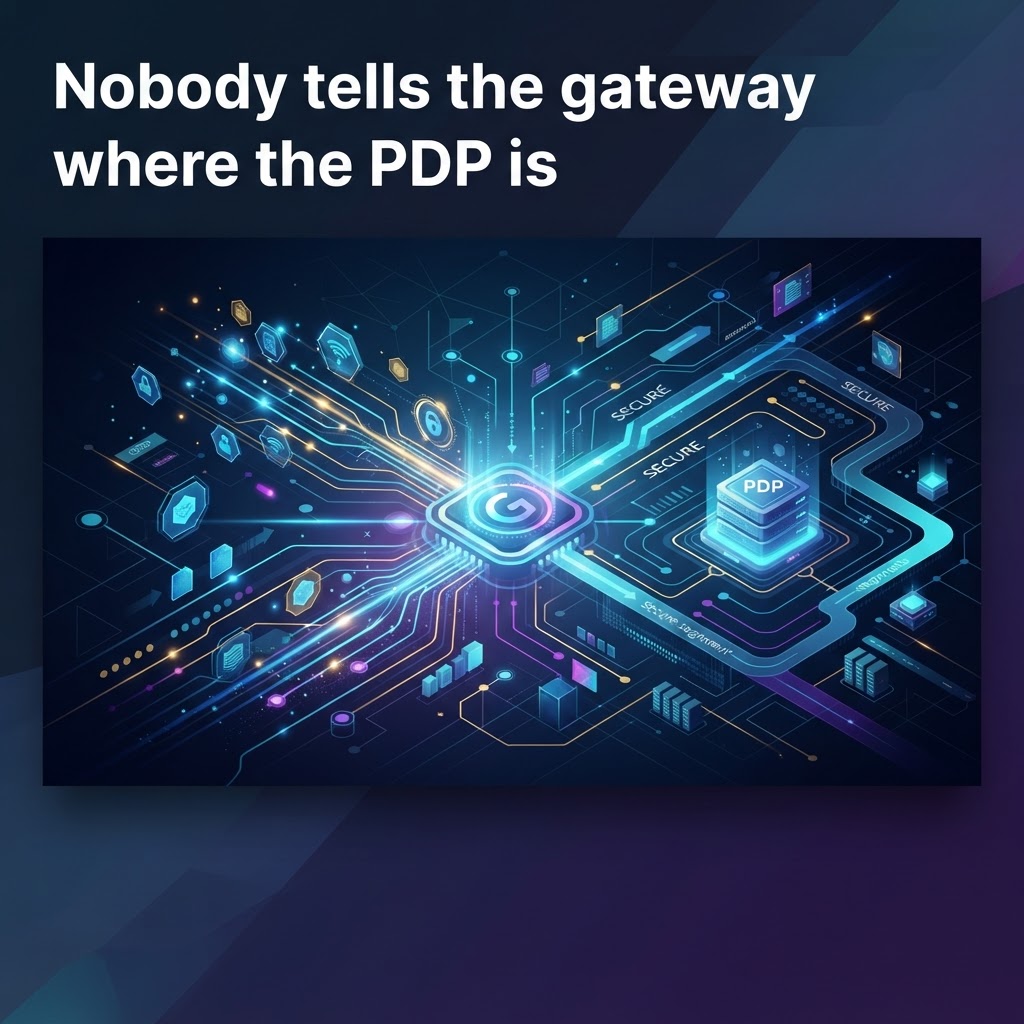
A gateway is usually told by hand where its Policy Decision Point is, and which scopes and acr each API requires. Here it is told neither. The API publishes both at its well-known address, /.well-known/oauth-protected-resource. A gateway that reads it finds the PDP and hands the PDP the API's own requirements, and a federation decides whether the API is to be believed. These are OpenID AuthZEN enforcement points for Envoy, Istio and agentgateway, for Kong, and for Node, built around that.

Discover the cryptographic mechanics behind how an mdoc and reader securely establish a shared key without direct transmission, ensuring privacy and authentication in digital identity verification.

Discover how a new two-tier identity framework enables autonomous agents to securely authenticate using attestations instead of traditional secrets, ensuring scalable and auditable access for your software fleet.

Discover how the Ping Authorize Entitlements Accelerator uses graph-based modeling to simplify complex enterprise authorization, eliminating hard-coded logic and role explosions for scalable, real-time access decisions.

Raidiam and ID Partners have formed a strategic alliance to empower Australian organizations with secure, trusted digital ecosystems, leveraging their combined expertise in trust infrastructure and market delivery.
Discover how combining SPIFFE with OpenID Federation and PingFederate enables seamless, secure identity trust across complex multi-cloud environments.

Improve your security posture by decoupling workload identity from delegation authority. Learn why crossing trust boundaries effectively requires two distinct, orthogonal proofs.

Discover three essential mechanisms to build and maintain trust in agentic architectures, enhancing collaboration and reliability in your projects.

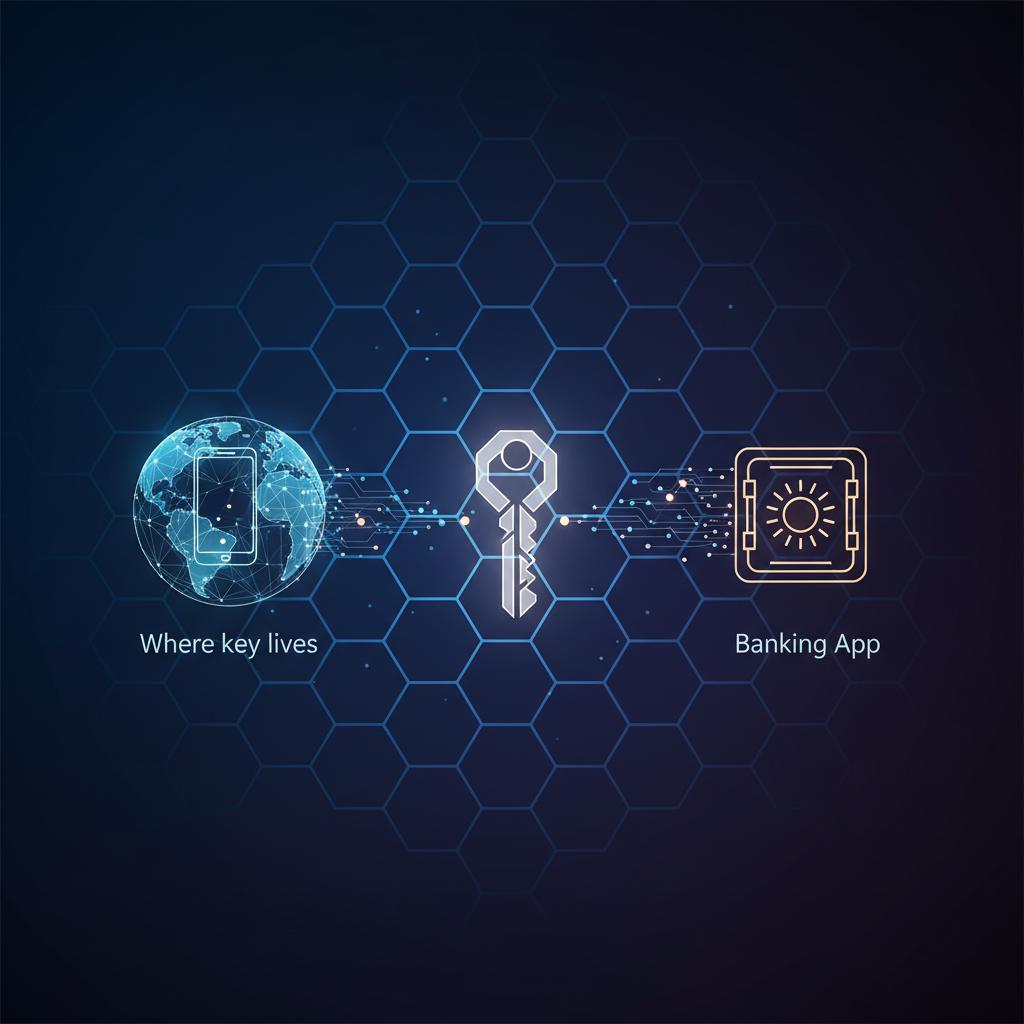
Discover how to strategically choose where passkeys reside in banking apps, ensuring enhanced security and user experience. This guide demystifies the decision-making process for effective digital authentication.

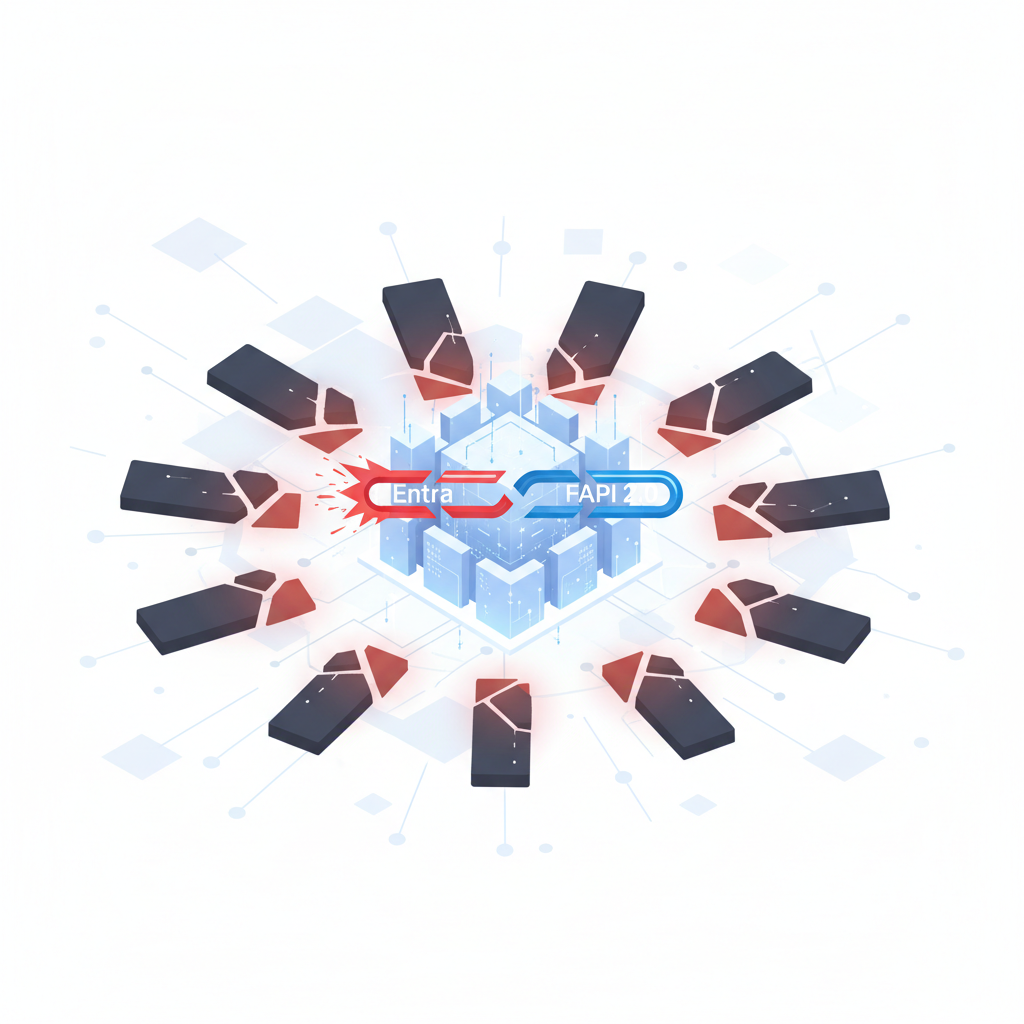
Explore the critical gaps between Microsoft Entra ID and FAPI 2.0, uncovering vital insights for developers and businesses seeking to navigate identity protocols and enhance security standards effectively.

As organisations deploy Copilot and other agents, those agents act through the same identity plane. An agent reads a user's mail, queries Confluence, touches Salesforce, drafts in SharePoint — all on tokens issued by Entra and by the SaaS platforms federated to it. No one sat down and decided, "we will use our workforce identity provider as the authorisation layer for autonomous software that holds broad delegated authority across our estate." It happened by accretion. Each connector seemed reasonable in isolation. The aggregate is an agentic authorisation architecture running on workforce-grade foundations. The vulnerability is architectural drift, not a procurement decision — which is exactly why it stays invisible until it becomes an incident.

A traveller's notes on three weeks of conversations about OpenID Federation, agents, and what enterprise security actually needs now.

Explore how Entra SSO's seamless integration with AI agents has led to significant security breaches, highlighting the urgent need for robust defenses against new vulnerabilities in the evolving agent economy.
In our new white paper, From Impersonation to Delegation, ID Partners and Raidiam explore why this matters—and what to do about it.
On 24 June, ID Partners and Raidiam hosted an executive breakfast, bringing together industry leaders to delve into the evolving landscape of agentic systems and their profound implications for trust infrastructure within financial services.
We've just released a major update to our AuthZen Adapter for Ping Authorize, now fully aligned with the latest AuthZen interop profile – including the new Search capability – ahead of the Identiverse 2025 interoperability showcase.
Customer relationships in banking are getting more complex. Roles and attributes can't capture delegated authority, shared access, and risky behavior in real-time. That's why we're talking about graph-based authorization.
For organizations navigating intricate hierarchies and complex compliance landscapes, a property-graph-based Relationship-Based Access Control (ReBAC) solution leveraging native graph databases like Neo4j offers strategic advantages far surpassing traditional, Zanzibar-derived models.
Fraud is skyrocketing. Customer expectations are shifting. Regulators are tightening the rules. Businesses are under pressure to deliver seamless, secure, and compliant digital experiences—all while keeping up with AI-driven automation.
Graph-based entitlements on PingAuthorize and Ping IDM, built with CBA.
entitlements.idpartners.globalIdentity for AI agents on PingFederate.
agentic-identity.idpartners.globalThe emerging standards for agent identity.
agentic-standards.idpartners.globalFine-grained authorisation for apps and AI agents.
ping-authorize.idpartners.globalConsistent policy enforcement across federated environments.
federated-enforcement.idpartners.globalConnecting desktop AI agents to enterprise identity.
federated-connector.idpartners.globalWe use cookies and analytics to keep you signed in and understand how our site is used. See our Privacy Policy for details.